Hi! I'm Mary El
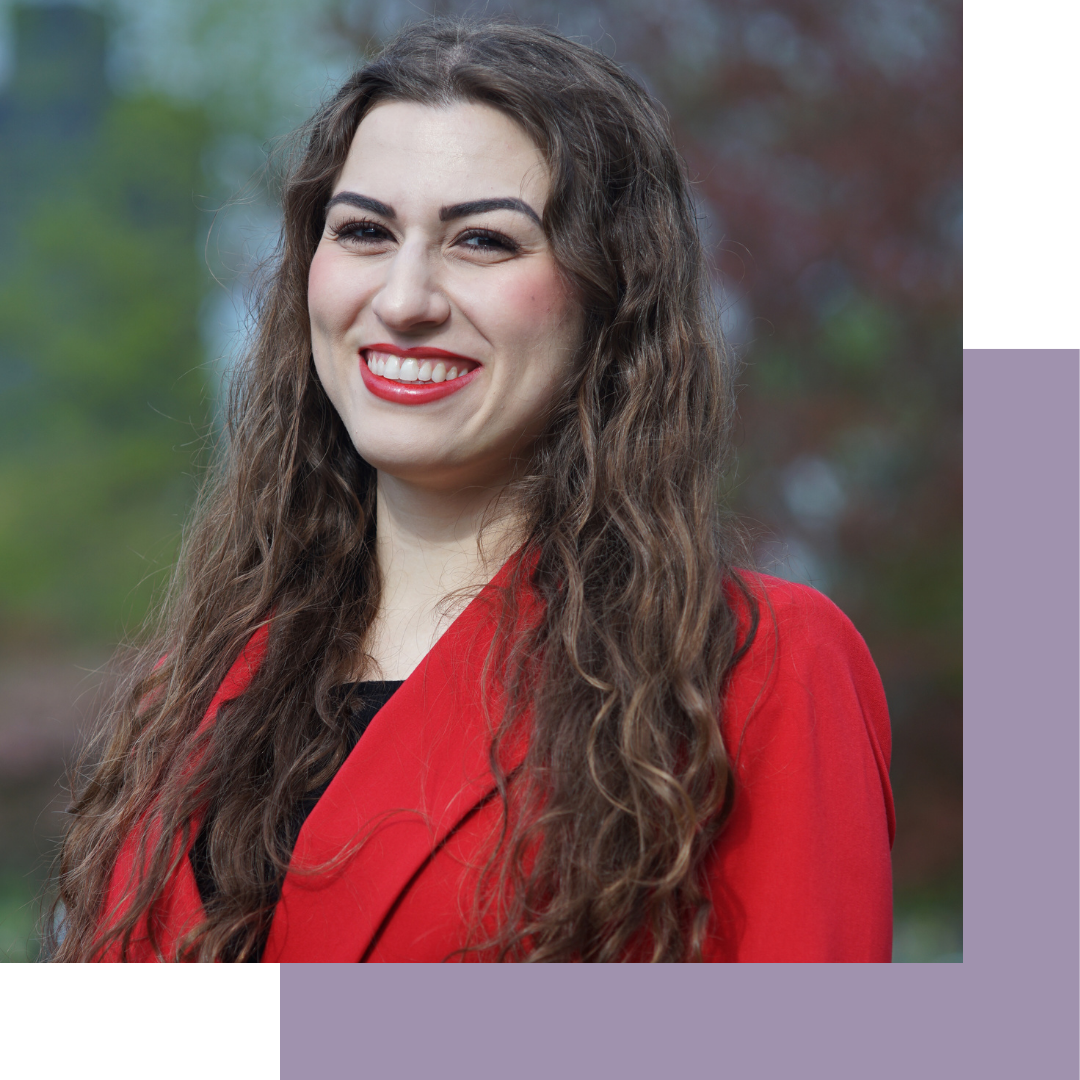
I help professionals retrain the way their mouth muscles move so they can speak English with an American accent.
I work with
professionals whose careers depend on clear communication.
My clients work in fields such as:
Tech, finance, engineering, law, medicine, entertainment, and other communication-heavy roles.
I’ve worked with speakers of:
Russian, Spanish, Italian, French, German, Chinese, Hindi, Arabic, Portuguese, Ukrainian, Polish, Bulgarian, Albanian, Korean, Turkish, Vietnamese, Farsi, Serbian, and Czech.
What Makes My Approach Different
Your first language has trained your tongue and mouth to move in specific ways. Over time, those movements become automatic—and they can continue to influence how you produce American English.
That’s why I don’t look at your accent as simply a collection of individual sounds that need to be corrected.
I look at the underlying speech movement patterns that are influencing those sounds.
Having worked with speakers from a wide range of language backgrounds, I’ve identified clear, repeatable patterns in how different languages shape the way the tongue moves during speech.
I use that understanding to identify the specific movement habits affecting your American English and show you how they differ from the movements used in American speech.
From there, we work through three stages:
First, we build the movement patterns used in American English. You develop the tongue shapes, positions, movement directions, muscle coordination, and movement style needed for American sounds.
Then, we build your understanding and control of the American English sound system. You learn the full range of American vowels and core consonants, how they appear in words, and how to produce them consistently through progressive practice.
Finally, we bring those skills into real speech. Through guided conversations and professional roleplay, you practice using the sounds while talking about your actual work and everyday communication. I listen for the moments when your speech falls back into the movement patterns from your first language and coach you toward the American patterns you’ve been developing.
The goal is to help you move from understanding the American sound system, to physically controlling the movements behind it, to using those sounds naturally while communicating.
What I Work On With Clients
- Tongue shape and position for American English sounds
- Direction, range, speed, and size of tongue movements
- Coordination between the tongue, jaw, lips, and other mouth muscles
- The style of movement used in American speech
- The complete American English vowel and consonant system
- Sound recognition and word patterns
- Consistent production through syllables, words, and phrases
- Transitions between sounds in connected speech
- Using your new speech patterns while speaking spontaneously
- Recognizing and correcting the moments when your first-language patterns return
What my clients say


Cristina, Neurolanguage Coach from Italy
I’ve been working with Mary for 5 months, and my accent has changed significantly! Before having classes with her, I was imitating the American accent without actually articulating the sounds as a native speaker. Thanks to Mary, now I know exactly how to move my tongue for each and every sound, and I'm also improving my intonation!

Adriana, Emmy-Award-Winning Client from Venezuela
"After almost a year of sessions with Mary, I've improved tremendously, as a lot of native English speakers have told me lately. Mary is transforming the way I communicate. I've improved my accent and my grammar, and I've also learned to speak and read with better rhythm."
Why I do it
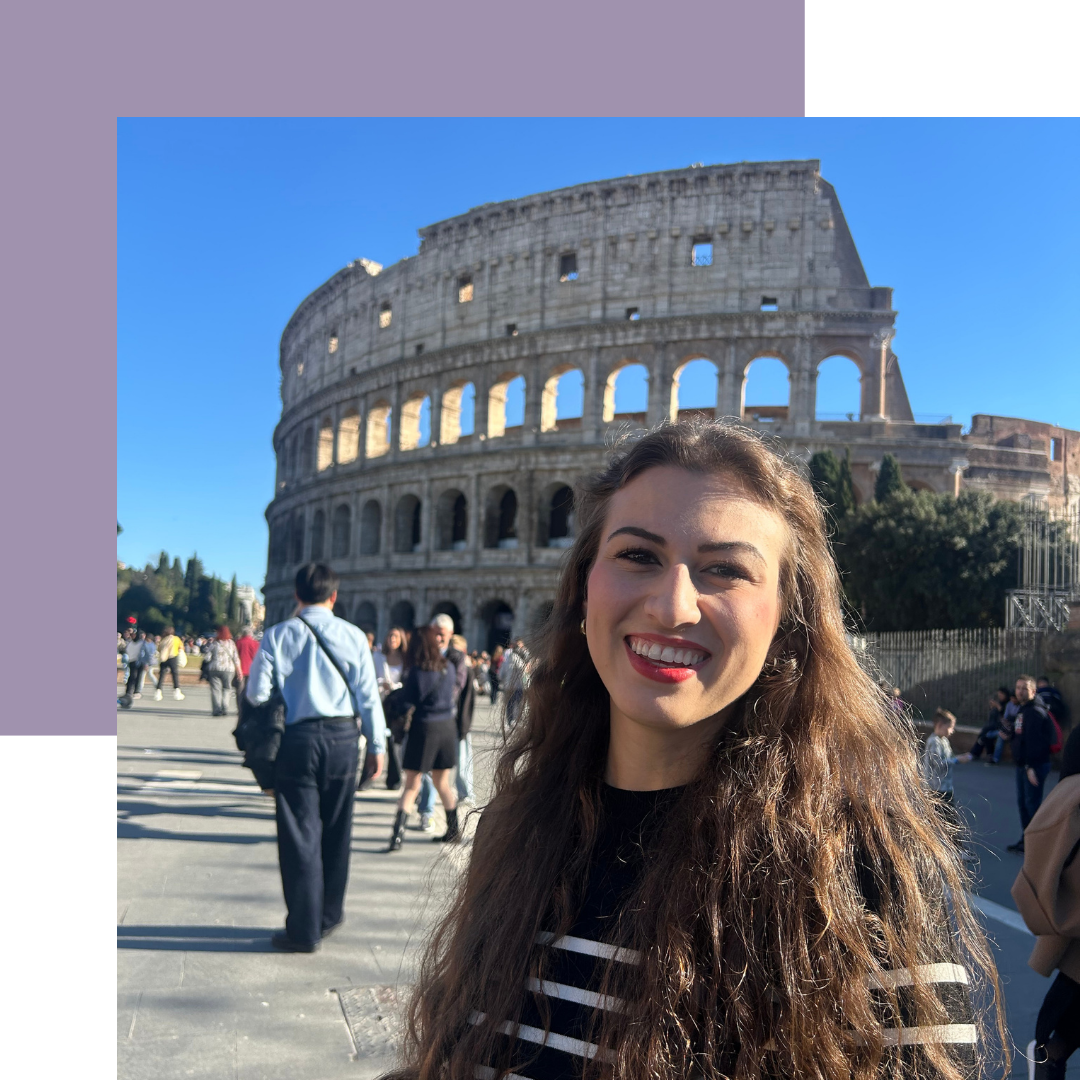
My whole life has been centered around language learning.
I started teaching myself Spanish at 14 and became fluent within 1–2 years without any teachers or formal instruction. At 18, I did the same with Italian, again reaching fluency through self-study alone.
In both cases, I wasn’t just interested in learning the languages—I became especially fascinated with how they sounded.
I developed a strong desire to sound like a native speaker in both languages, which led me to study pronunciation and accent in depth. I spent a lot of time paying attention to how native speakers physically produced sounds—how they used their tongue and lips differently depending on the language.
Over time, I trained myself to make significant changes in my own mouth movements to match those patterns—things like shifting tongue position forward, increasing lip activity, and holding tongue contact longer for certain sounds like N and L. This hands-on experimentation became the foundation of how I understand accents today.
In college, I studied Teaching English as a Second Language (TESL) and completed multiple certification programs in English teaching. I also began volunteering in high school, teaching English to Hispanic immigrants, where I first discovered how much I enjoyed helping people improve their communication.
When I started tutoring English during college, I initially focused on grammar and vocabulary. But I quickly realized I wasn’t passionate about that side of teaching. What truly interested me was pronunciation and the sound system itself.
As I began working more deeply with adult learners, I noticed something important: even when students could produce individual sounds correctly, their overall accent often didn’t shift. It became clear that accent was not just about isolated sounds—it was about deeper, coordinated movement patterns in speech.

That realization pushed me to go further. I began studying more advanced approaches focused on oral posture, mouth anatomy, and the physical mechanics behind speech production. I invested in additional training and resources that explored how native and non-native speakers differ at a structural level—even when individual sounds appear correct.
This completely changed my approach.
Instead of treating pronunciation as separate sound problems, I began working with how the tongue and mouth move across sounds as a system—and how those movement habits shape the overall accent.
I’ve been working in the field of accent modification for around five years, and today I work with clients on a very precise, close-up level—often analyzing tongue placement and movement in real time so I can guide exact physical adjustments during speech.

My background at a glance
- 5 years specializing in accent modification
- Fluent in Spanish and Italian with near-native accents in both languages (self-taught)
- Degree in Teaching English as a Second Language (TESL)
- Multiple certifications in English teaching and speech improvement
- Experience working with adult professionals from a wide range of language backgrounds and professions

Let's get started

Work with me 1-on-1 in a 3-6 month coaching program.
Includes one-on-one weekly coaching calls, free access to my video course, and ongoing WhatsApp support. I personally guide you step by step, with live correction and accountability.
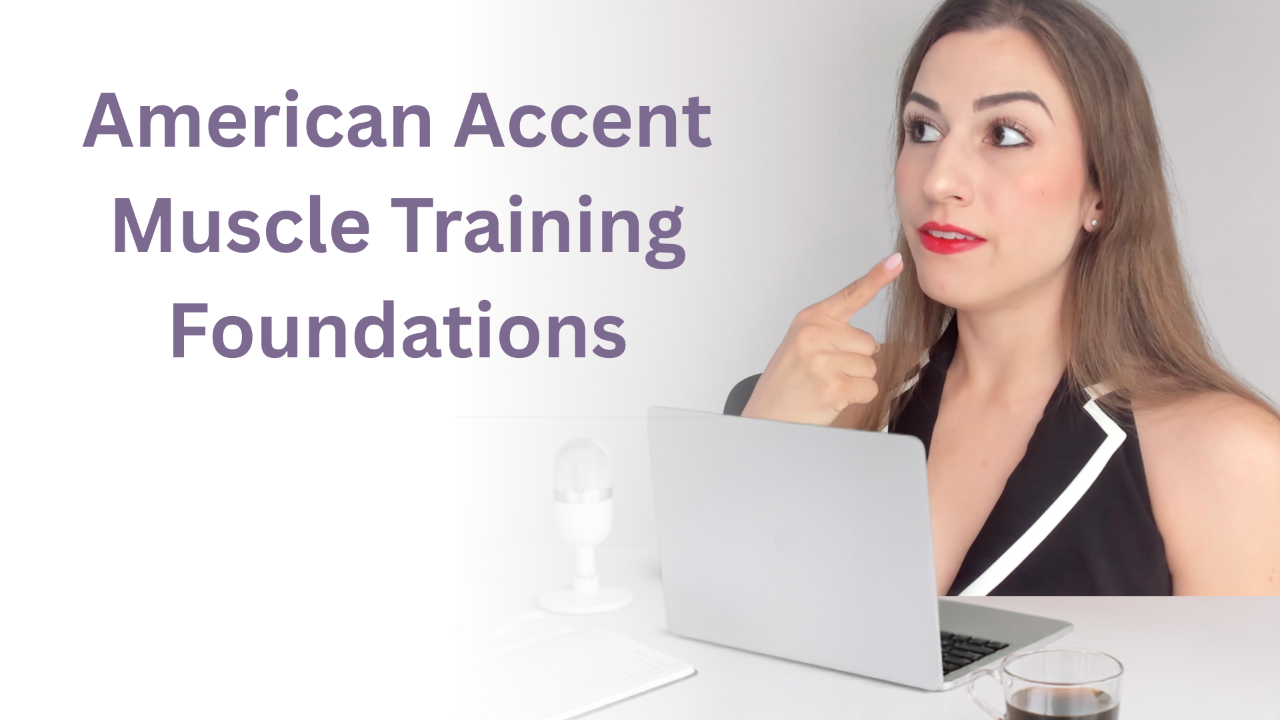
Foundations Course
The first two modules of my full 11-module video course, designed to teach you the tongue muscle control you need before tackling the full American English sound system.
Full Video Course
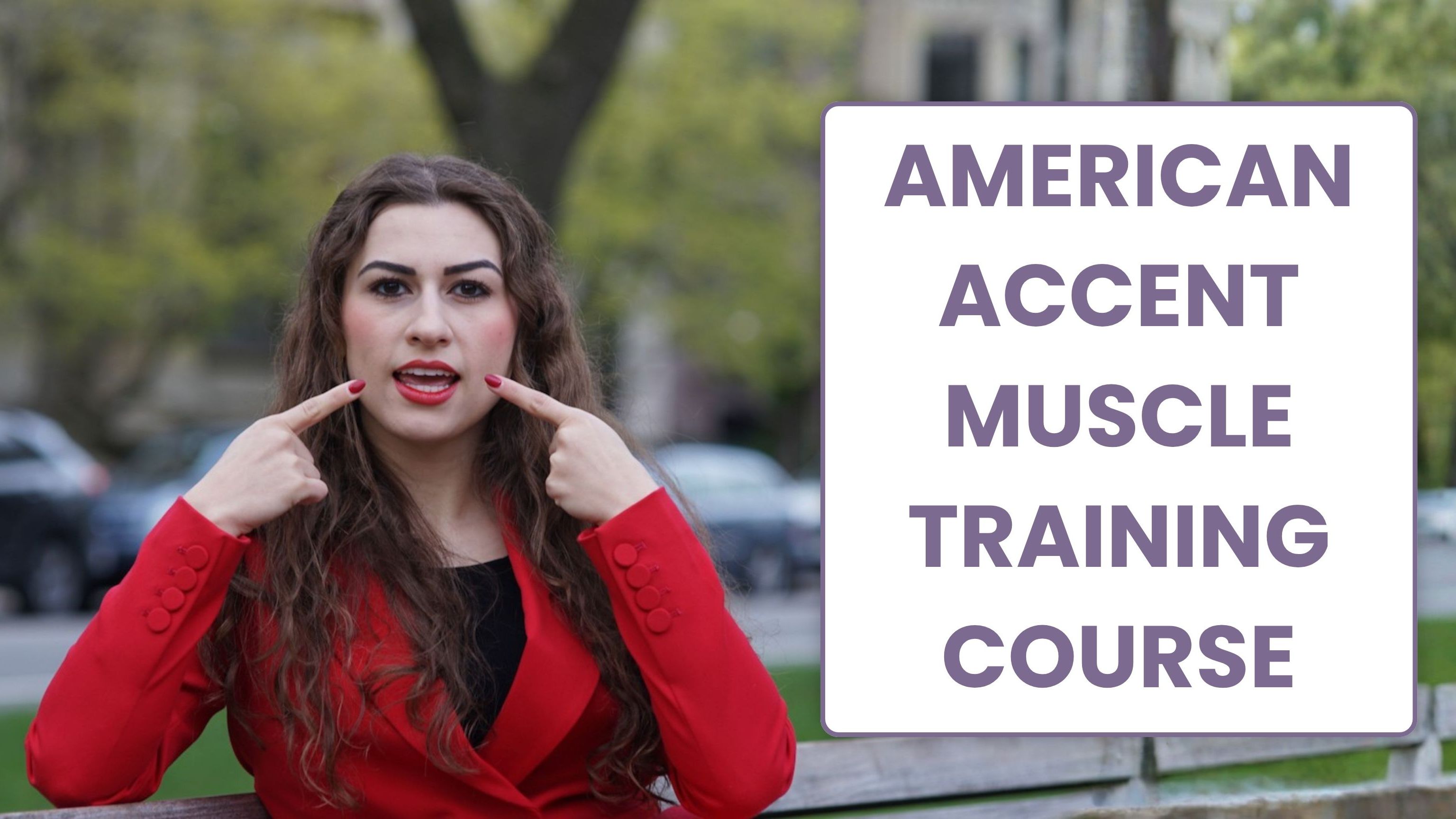
The full 11-module video course that teaches you every major American English sound while breaking down the precise tongue positions, shapes, and muscle coordination that make those sounds sound American.